Have you heard astrologers talk about Rahu and Ketu with hushed voices, warning of sudden twists of fate or unexplained obsessions? You are definitely not the first person to feel uneasy.
In popular superstition, Rahu and Ketu are often depicted as terrifying cosmic serpents. But when you look past the folklore, they represent brilliant mathematical points of intersection between the Sun and Moon, driving our deepest ambitions and our spiritual growth.
The Astronomy of the Lunar Nodes
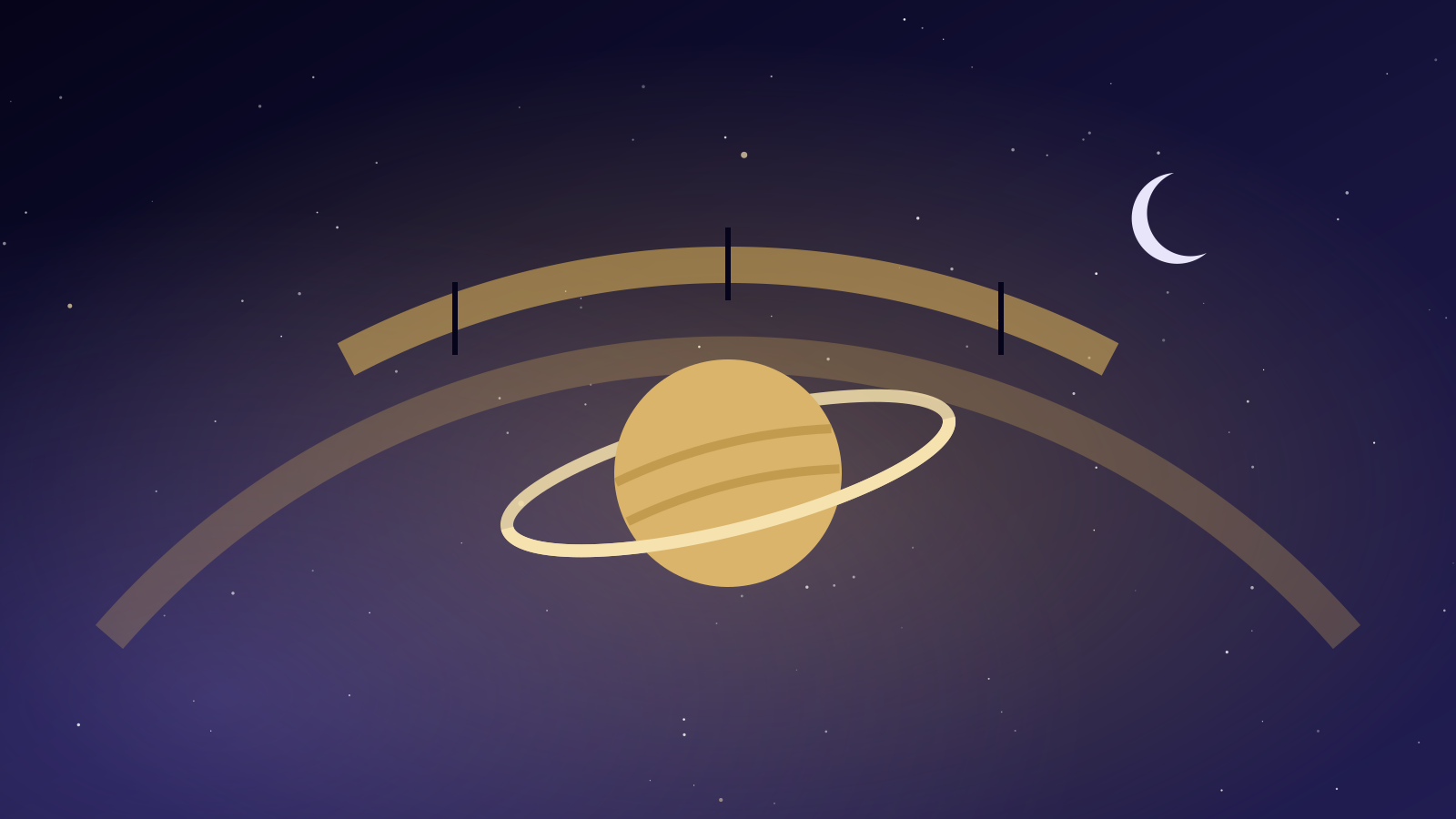
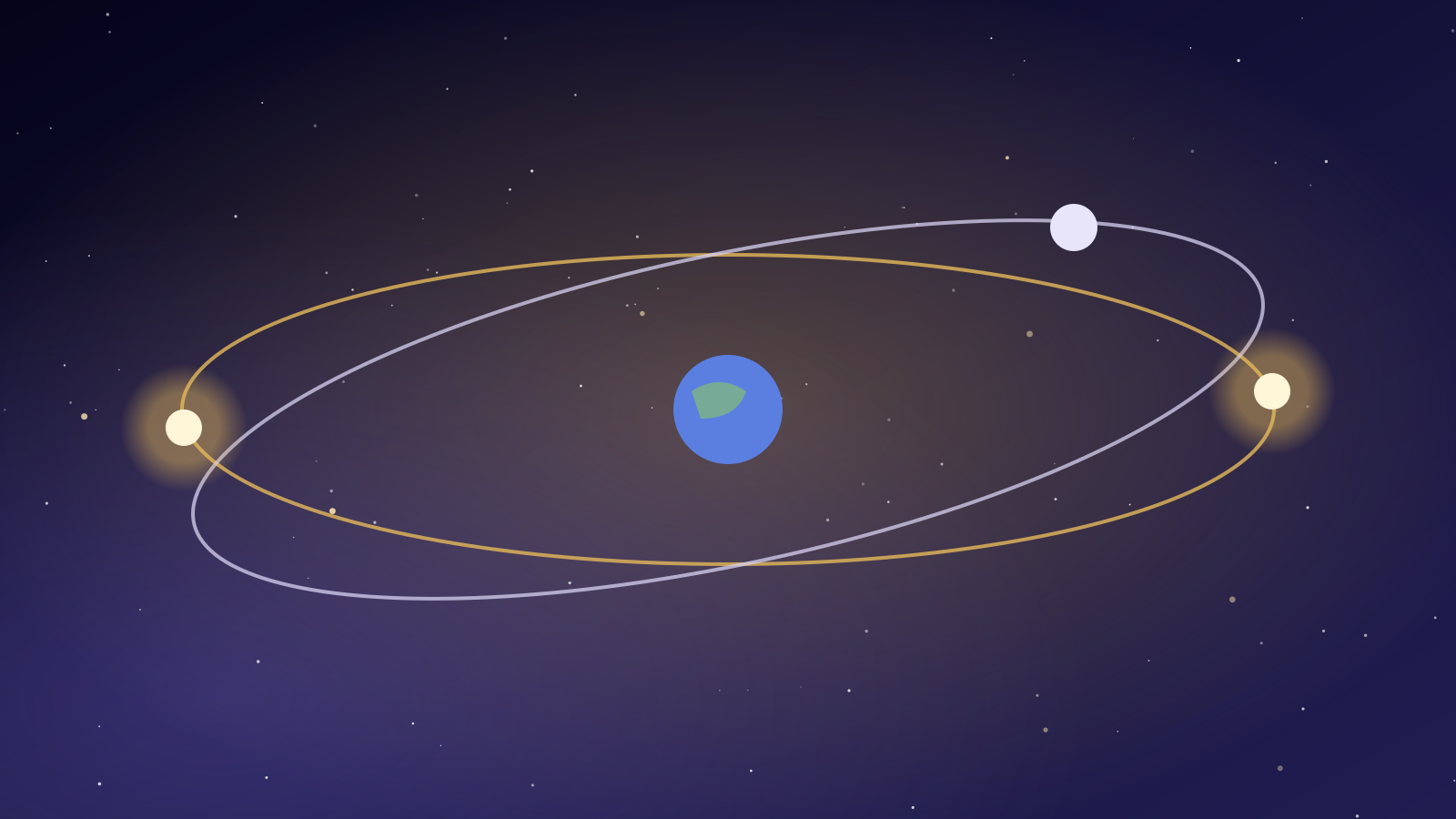
Rahu and Ketu are not physical chunks of rock floating in space. Astronomers know them as the lunar nodes—the two points where the Moon's tilted orbital plane crosses the path of the Sun (the ecliptic).
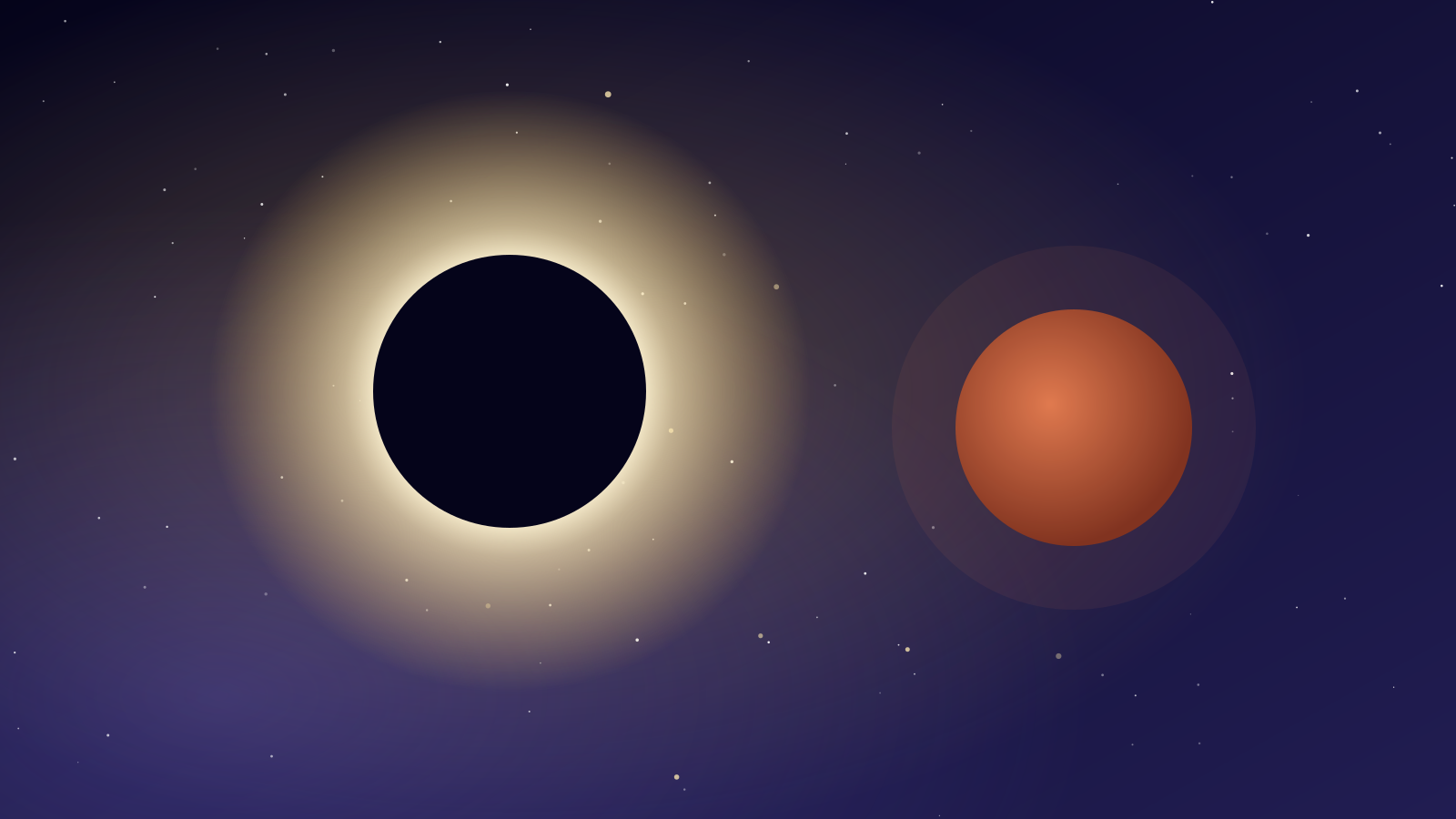
Whenever the New Moon or Full Moon occurs near these intersection points, Earth experiences a solar or lunar eclipse. That is why ancient observers called them the "eclipsing shadow planets."
A classic Sanskrit verse describes this astronomical connection:
अर्धकायं महावीर्यं चन्द्रादित्यविमर्दनम् । सिंहिकागर्भसम्भूतं तं राहुं प्रणमाम्यहम् ॥ Ardhakāyaṁ mahāvīryaṁ candrādityavimardanam | Siṁhikāgarbhasambhūtaṁ taṁ rāhuṁ praṇamāmyaham || "I bow to Rahu, the powerful cosmic force linked to the eclipsing of the Sun and Moon, guiding our journey through worldly experience."
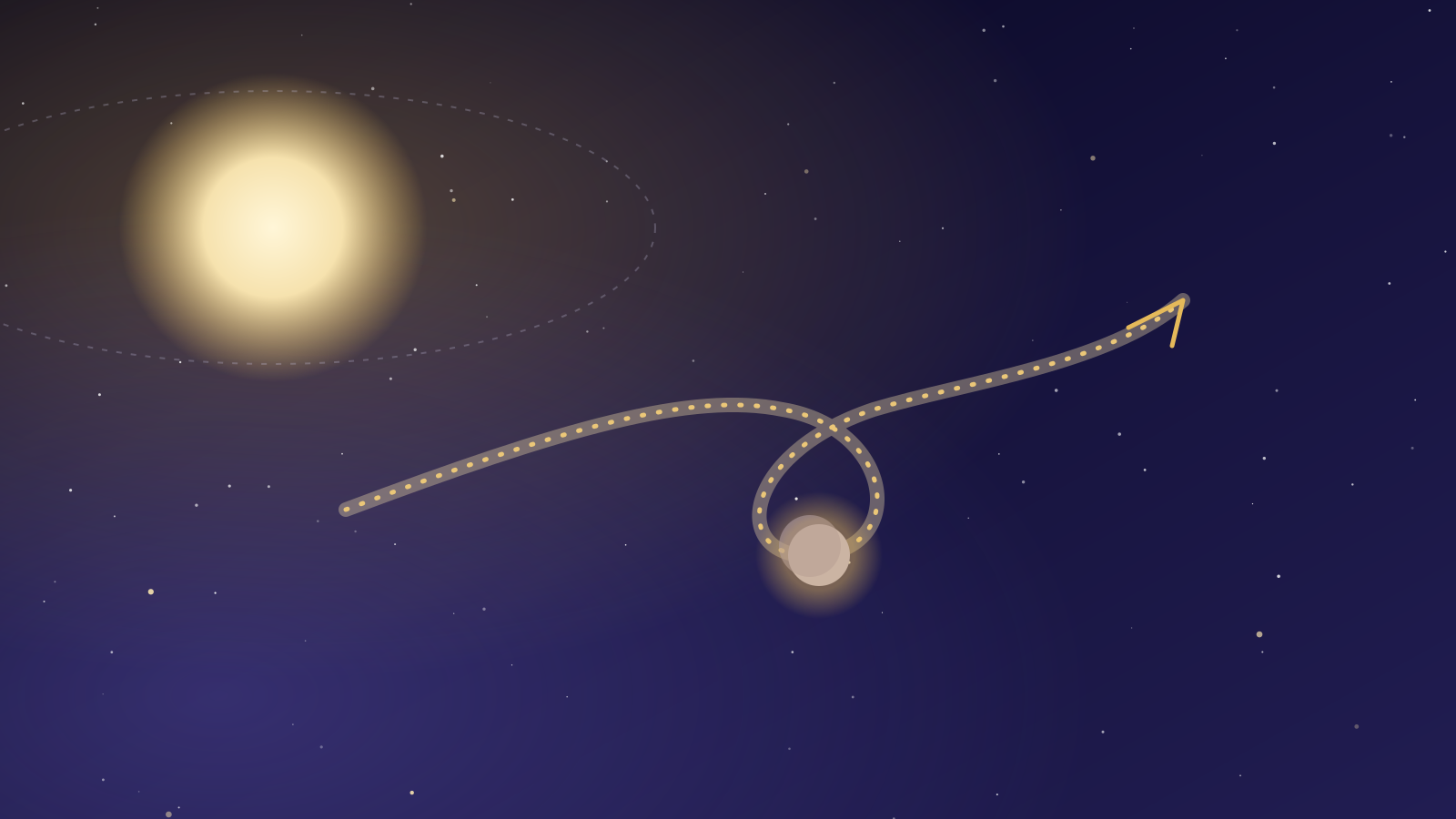
Because the Moon's orbital plane wobbles slowly, these nodes move in reverse through the zodiac, completing a full circle every 18.6 years.
The Polarity of Rahu and Ketu
Rahu and Ketu always sit exactly 180 degrees apart, directly facing each other across the sky:
- Rahu (The North Node): Represents where you are hungry to grow. It fuels worldly ambition, innovation, foreign connections, and future aspirations.
- Ketu (The South Node): Represents where you already have mastery. It encourages spiritual detachment, simplicity, reflection, and releasing past attachments.
Together, they act like a cosmic seesaw. When one side lifts your worldly goals, the other asks you to stay grounded in inner peace.
The December 2026 Transit Shift
Because the lunar nodes move backwards through the zodiac, they spend roughly 18 months in each sign pair.
In late 2026, sidereal calculations mark their shift into new zodiac territory:
- Rahu moves from Aquarius into Capricorn: Turning focus toward practical career structures, long-term legacy, disciplined leadership, and real-world accountability.
- Ketu moves from Leo into Cancer: Turning focus inward toward emotional simplicity, family roots, mental comfort, and releasing the need for external applause.
This 18-month chapter invites society and individuals to build durable achievements while nurturing their private emotional homes.
How to Navigate This Transit Positively
Instead of worrying about unexpected changes, align your mindset with the healthy gifts of both nodes:
- Pursue goals with integrity: Rahu inspires big ambition, but taking shortcuts creates regret. Build your career on honesty and solid craftsmanship.
- Embrace emotional simplicity: As Ketu moves through Cancer, simplify your home life, release lingering grudges, and make room for quiet evenings.
- Stay grounded during eclipses: During eclipse seasons, avoid impulsive life-changing decisions. Sleep well and allow clarity to settle naturally.
- Learn a forward-looking skill: Rahu loves modern technology, foreign languages, and innovative systems. Use this season to upgrade your knowledge.
Looking at Your Personal Houses
The exact influence of Rahu and Ketu depends on which houses of your birth chart they activate.
If Rahu transits your 10th house, your career receives intense focus. If Ketu transits your 4th house, your domestic peace becomes your quiet sanctuary.
To see which houses Rahu and Ketu activate for you, look up your chart with our free horoscope tool.