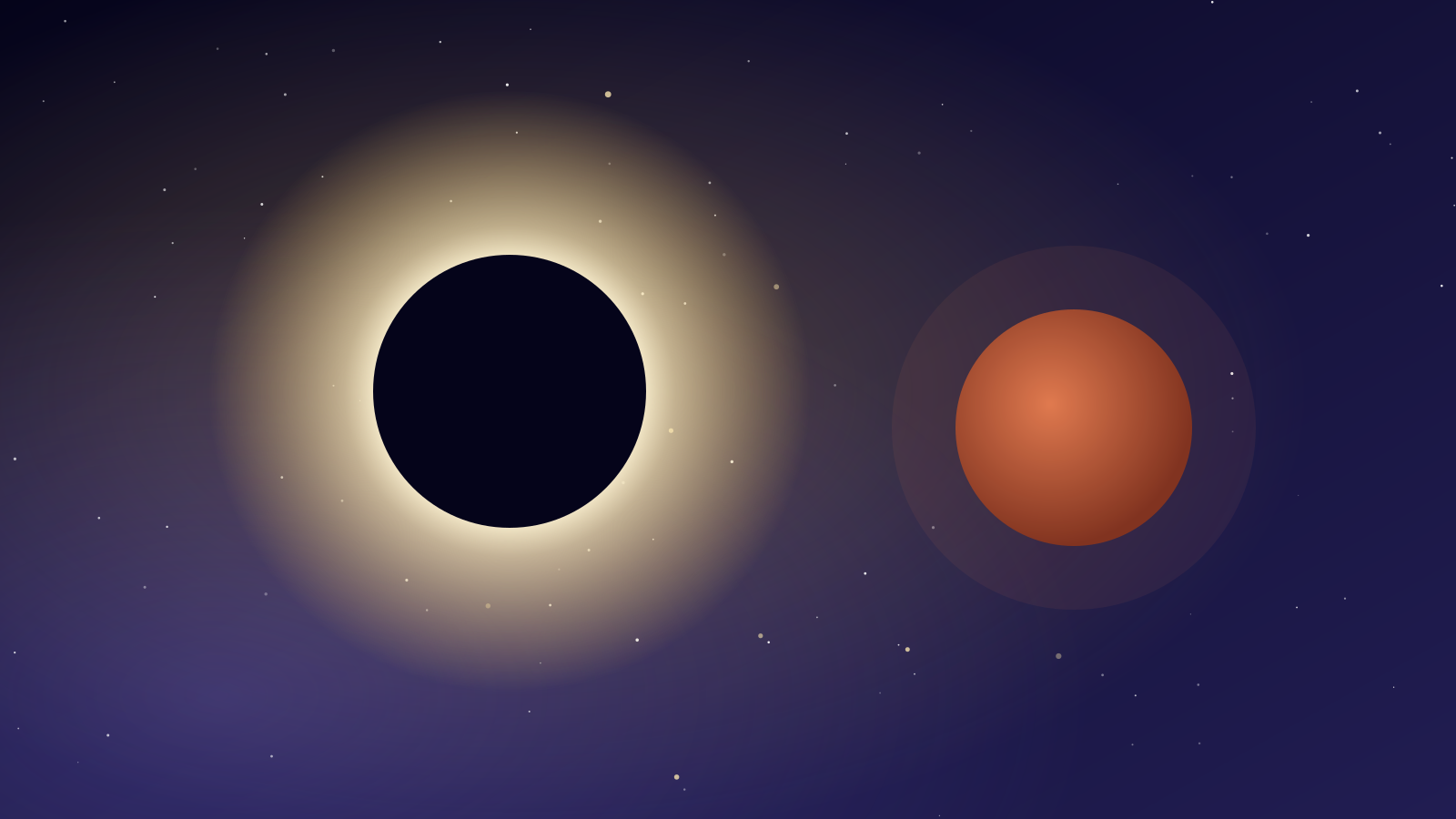
Have you ever experienced the surreal midday twilight of a solar eclipse, or watched the full Moon slowly blush into a deep copper red? Few cosmic events captivate human curiosity quite like eclipses.
Across centuries, civilizations viewed eclipses with awe and apprehension, treating them as omens of massive upheaval. Today, modern astronomy reveals the clockwork mechanics behind these events, while spiritual traditions still value them as sacred portals for inner renewal.
The Astronomy of Solar and Lunar Eclipses
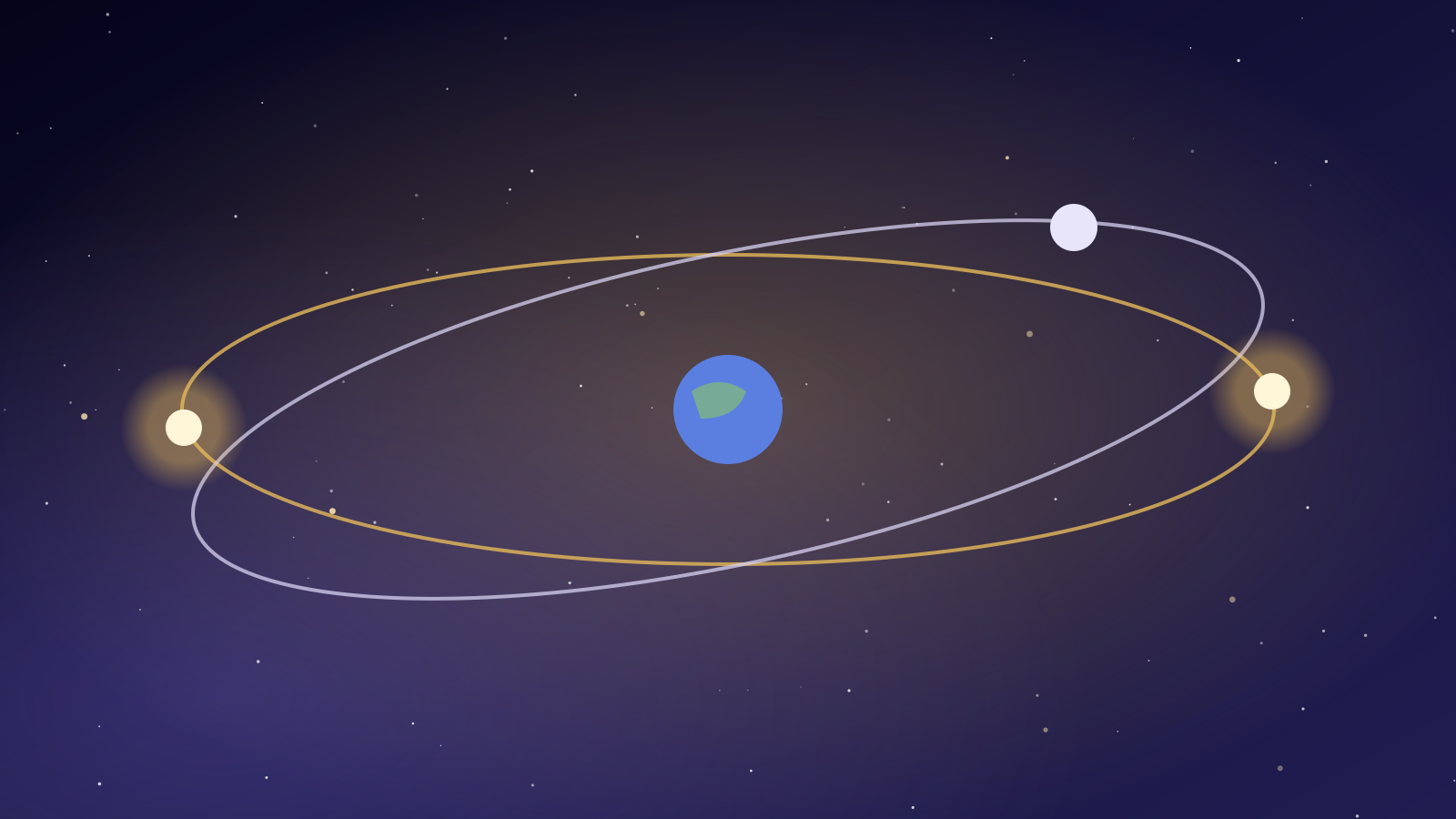
Eclipses are precise three-body alignments involving the Sun, Earth, and Moon:
- A Solar Eclipse occurs during a New Moon, when the Moon passes directly between the Sun and Earth. The Moon casts its narrow shadow onto Earth's surface, temporarily blocking out solar light.
- A Lunar Eclipse occurs during a Full Moon, when Earth glides directly between the Sun and Moon. Earth casts its shadow across the lunar surface, scattering sunlight through our atmosphere and tinting the Moon a dramatic copper-orange.
In classical Indian philosophy, moving through the shadow represents a return to inner clarity. The sacred Brihadaranyaka Upanishad (1.3.28) expresses this universal prayer:
तमसो मा ज्योतिर्गमय Tamaso mā jyotirgamaya "From darkness, lead us toward light; from ignorance, lead us toward truth."
An eclipse is a cosmic reminder that shadows are always temporary, and illumination inevitably returns.
Eye Safety: Non-Negotiable NASA Rules
Looking directly at the Sun can cause permanent retina damage within seconds:
- Never look directly at a solar eclipse without certified ISO 12312-2 solar filters or eclipse glasses. Regular sunglasses—even polarized ones—do not protect your retinas.
- Do not use cameras or binoculars without solar filters: Magnifying lenses concentrate solar rays like a magnifying glass burning paper.
- Lunar eclipses are 100% safe to view: You can watch a lunar eclipse with your naked eyes or binoculars without any filters.
Major Eclipses in 2027
The year 2027 features four eclipses, including one of the longest total solar eclipses of the century:
| Date | Type of Eclipse | Primary Regions |
|---|---|---|
| Feb 6, 2027 | Annular Solar Eclipse | South America, Antarctica, Atlantic Ocean |
| Feb 20–21, 2027 | Penumbral Lunar Eclipse | Americas, Europe, Africa, Asia |
| Aug 2, 2027 | Total Solar Eclipse | North Africa (Egypt/Gibraltar), Middle East, Southern Europe |
| Aug 17, 2027 | Penumbral Lunar Eclipse | Australia, East Asia, Pacific Ocean |
The total solar eclipse on August 2, 2027, will produce an extraordinary totality lasting over six minutes across Luxor, Egypt.
Major Eclipses in 2028
The year 2028 delivers an impressive schedule of five eclipses:
| Date | Type of Eclipse | Primary Regions |
|---|---|---|
| Jan 12, 2028 | Partial Lunar Eclipse | Americas, Europe, Africa |
| Jan 26, 2028 | Annular Solar Eclipse | South America, Atlantic, Spain, Portugal |
| Jul 6–7, 2028 | Partial Lunar Eclipse | Australia, Asia, Europe, Africa |
| Jul 22, 2028 | Total Solar Eclipse | Australia (Sydney), New Zealand, Indian Ocean |
| Dec 31, 2028 | Total Lunar Eclipse | Asia, Australia, Pacific, Western Americas |
On July 22, 2028, skywatchers in Sydney, Australia, will witness totality sweep directly across the city skyline.
Mindful Practices for Eclipse Days
In South Asian tradition, eclipse hours are considered ideal for quiet contemplation rather than noisy social celebration:
- Pause major beginnings: Avoid launching brand-new commercial projects or signing major long-term contracts during the exact eclipse hours.
- Engage in quiet meditation: The mind settles deeply when external stimulation is reduced. Spend thirty minutes in silent breathing or mantra practice.
- Eat light, nourishing food: Traditional Ayurveda advises eating freshly prepared, simple meals after the eclipse concludes.
- Cleanse and reset: After the eclipse passes, take a refreshing shower, tidy your living space, and step back into your routines with renewed focus.
To see which house an upcoming eclipse activates in your personal chart, check your horoscope tool report.