Have you ever picked up a newspaper horoscope, read your sign's prediction, and thought, "This sounds nothing like me"? You are definitely not imagining things.
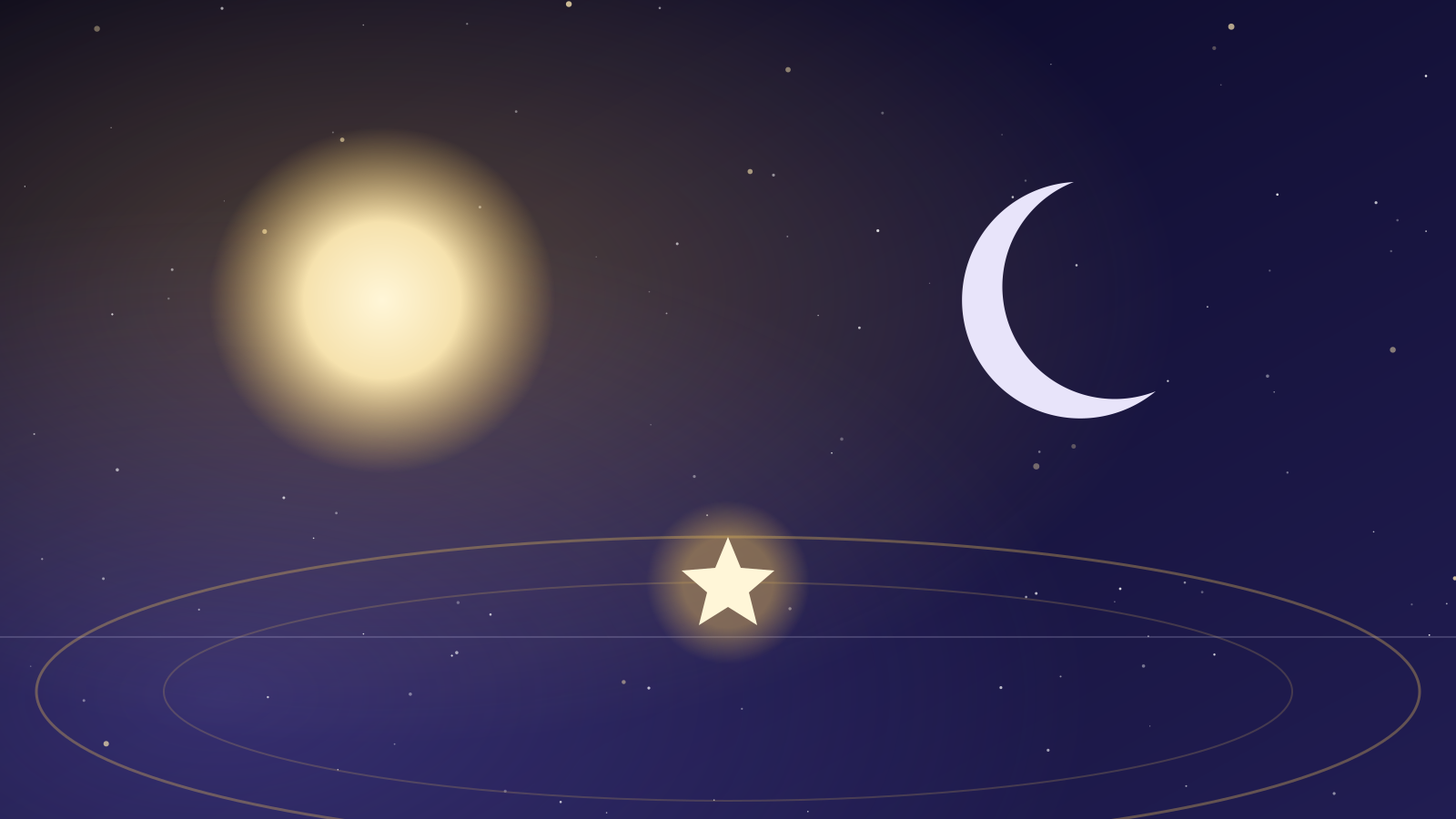
If you only know your Sun sign, you are looking at less than a third of who you are. Real astrological charts weave together three core signs: your Sun sign, your Moon sign, and your Rising sign.
How the Three Signs Differ
Your three signs change at completely different astronomical speeds. That speed tells you how personal each sign really is:
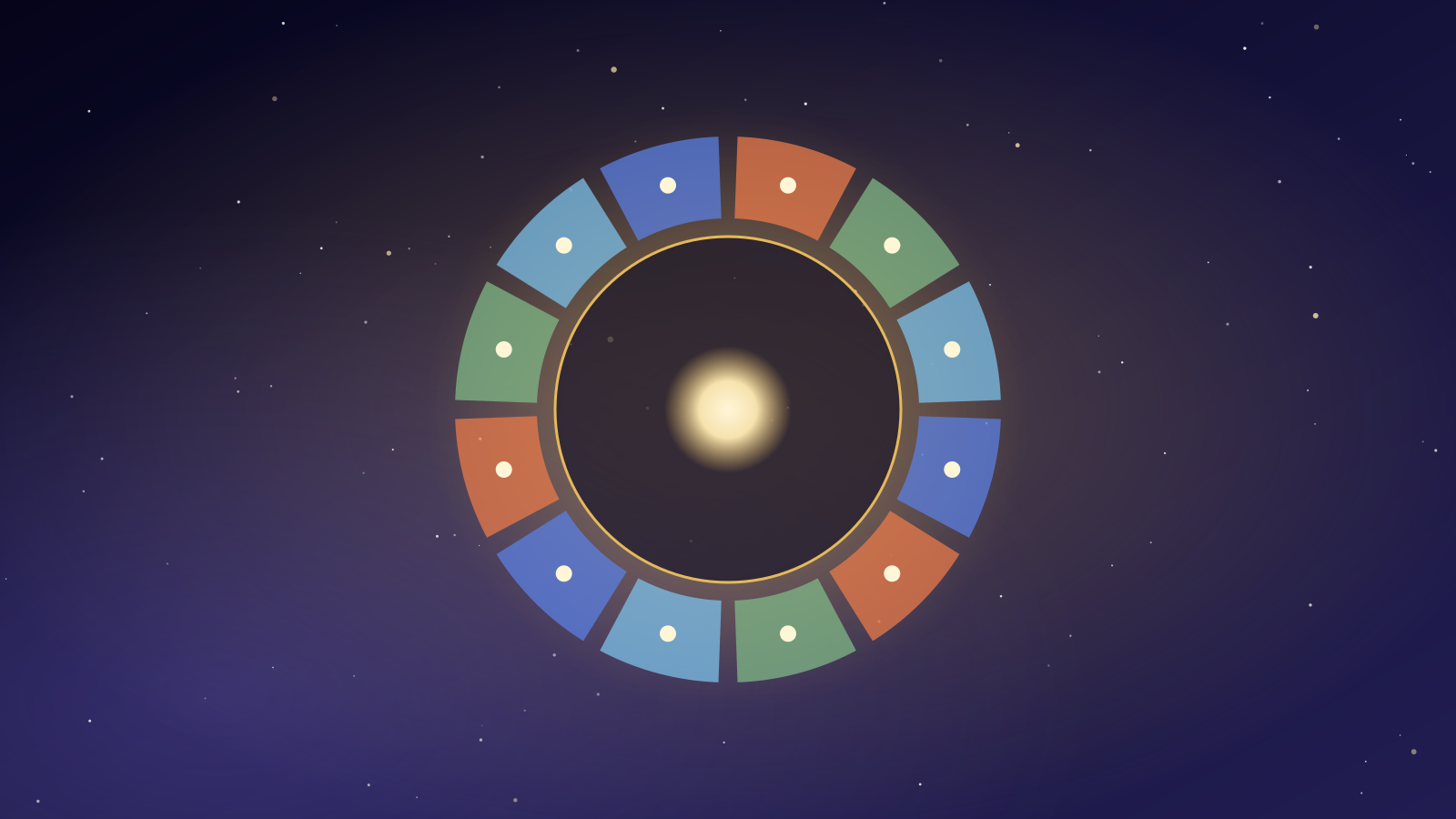
- Your Sun sign marks where the Sun stood when you were born. The Sun takes about 30 days to cross a single zodiac sign, so everyone born in that month shares it with you.
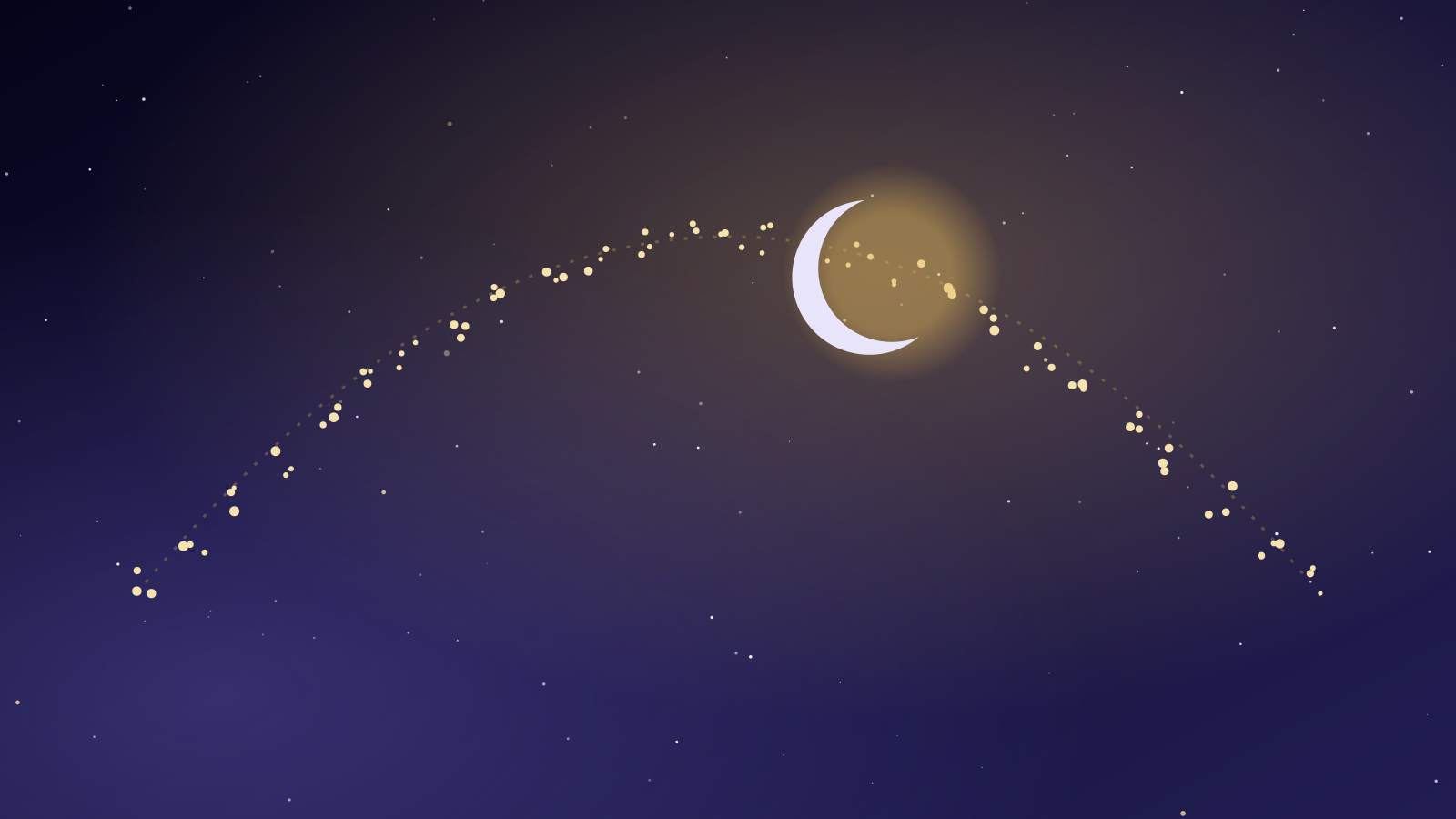
- Your Moon sign marks where the Moon stood. Because the Moon orbits Earth so quickly, it shifts signs every 2½ days, making it far more personal.
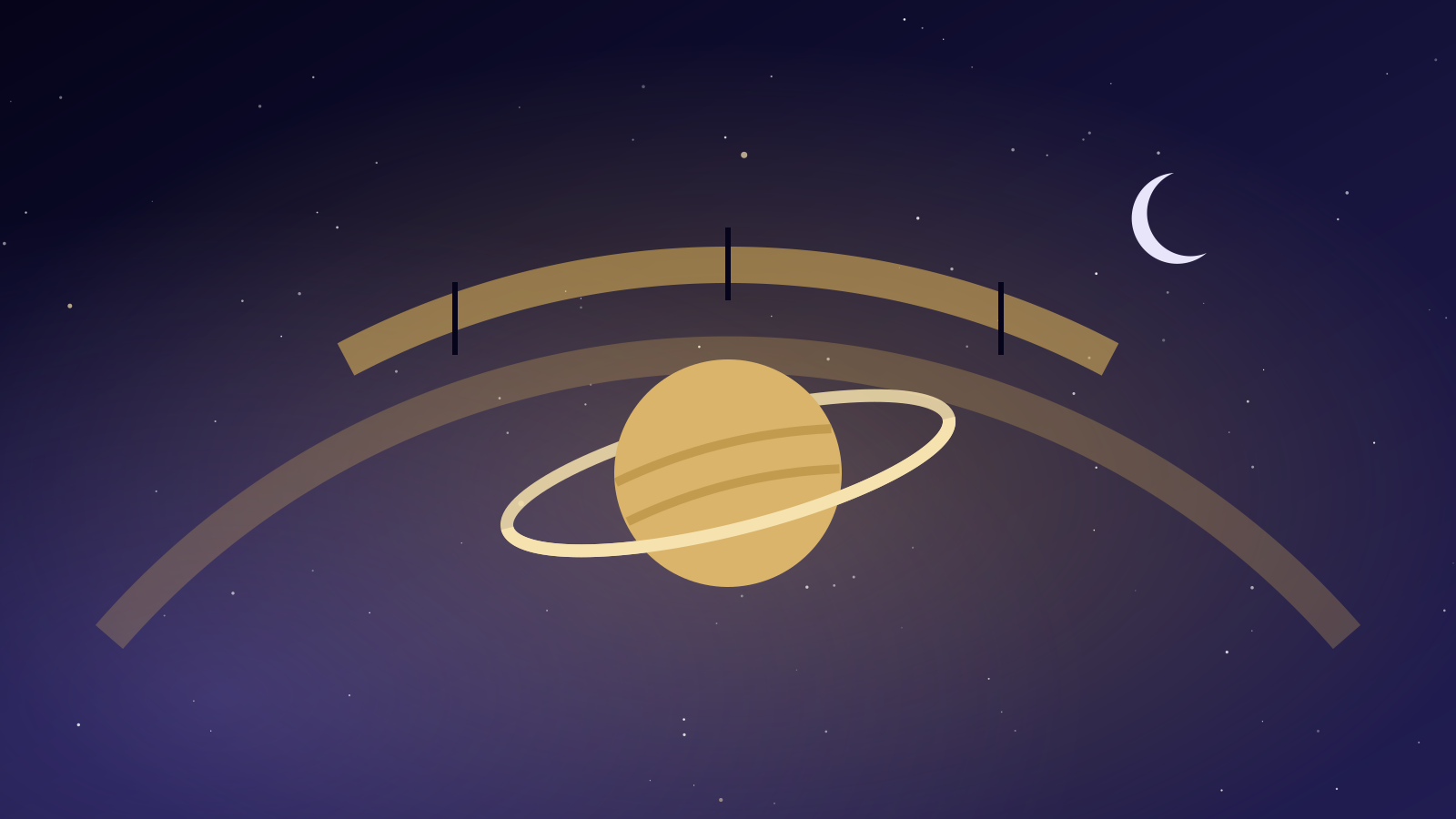
- Your Rising sign (Lagna) marks which sign was rising over the eastern horizon at your birth minute. It changes roughly every 2 hours, making it uniquely yours.
Western pop astrology focuses almost exclusively on the Sun sign. Traditional Vedic astrology in Sri Lanka and India focuses primarily on your Rising sign and your Moon sign.
How the Three Signs Work Together
Think of your three signs as three layers of your personality:
| Sign | Celestial Speed | What You Need to Know | What It Governs |
|---|---|---|---|
| Sun sign | Changes monthly (~30 days) | Date of birth | Your core vitality, sense of purpose, willpower, and father figure |
| Moon sign | Changes every ~2½ days | Date and rough time | Your emotional mind, private feelings, mother figure, and daily moods |
| Rising sign (Lagna) | Changes every ~2 hours | Exact minute and birthplace | Your physical body, first impressions, vitality, and life direction |
A helpful analogy: your Sun is who you are growing into; your Moon is who you feel like when you are alone; and your Rising sign is how you greet people when you enter a room.
Why Your "Rasi" Means Your Moon Sign in South Asia
If you ask someone in Sri Lanka or India for their rasi, they will give you their Moon sign, never their Sun sign.
In classical Vedic philosophy, our thoughts and feelings guide every decision we make. The ancient Rigveda captures this in the sacred Purusha Sukta (Rigveda 10.90.12):
चन्द्रमा मनसो जातश्चक्षोः सूर्यो अजायत Candramā manaso jātaścakṣoḥ sūryo ajāyata "The Moon was born from the cosmic mind, and the Sun from cosmic vision."
Because the Moon governs Manas (the emotional mind), South Asian astrologers consider your Moon position far more intimate than your Sun sign. Your Moon sign also determines your birth star (nakshatra), which sets up your planetary cycles (dashas) and traditional compatibility checks. You can explore this further in our guide to the 27 nakshatras.
Meanwhile, your Rising sign sets up the twelve houses of your chart. That is why our daily forecasts are calculated for each rising sign: it determines which exact areas of life receive planetary focus each day.
Why Western and Vedic Signs Often Differ
Many people are shocked to learn that their Western Sun sign does not match their Vedic Sun sign. If you were born on April 25, Western astrology calls you Taurus, but Vedic astrology calls you Aries.
Neither system is broken; they simply anchor their measurements to different celestial reference points:
- Western astrology (Tropical): Fastens the zodiac to Earth's seasons. Aries begins at the spring equinox around March 21, regardless of where the physical stars sit.
- Vedic astrology (Sidereal): Fastens the zodiac to the fixed stars in the night sky. Aries begins against the real constellation of Aries.
About 1,700 years ago, both systems pointed to the exact same starting line. But Earth wobbles slowly on its rotational axis like a spinning top, slipping backward against the stars by roughly one degree every 72 years.
Astronomers call this slow drift axial precession. Today, that gap (known as the Ayanamsha) has grown to roughly 24 degrees—nearly an entire 30-degree sign.
Sun Sign Dates in Both Systems
Because of leap years, these dates can vary by about one day depending on the year:
| Sign | Western (Tropical / Seasons) | Vedic (Sidereal / Stars) |
|---|---|---|
| Aries | March 21 – April 19 | April 14 – May 14 |
| Taurus | April 20 – May 20 | May 15 – June 14 |
| Gemini | May 21 – June 20 | June 15 – July 16 |
| Cancer | June 21 – July 22 | July 17 – August 16 |
| Leo | July 23 – August 22 | August 17 – September 16 |
| Virgo | August 23 – September 22 | September 17 – October 17 |
| Libra | September 23 – October 22 | October 18 – November 16 |
| Scorpio | October 23 – November 21 | November 17 – December 15 |
| Sagittarius | November 22 – December 21 | December 16 – January 13 |
| Capricorn | December 22 – January 19 | January 14 – February 12 |
| Aquarius | January 20 – February 18 | February 13 – March 14 |
| Pisces | February 19 – March 20 | March 15 – April 13 |
Which Sign Should You Focus On?
When reading Western horoscopes online or in magazines, look at your Western Sun sign.
When reading traditional South Asian horoscopes, focus on your Rising sign for life events, and your Moon sign for emotional well-being.
When checking relationship compatibility, your Moon sign and birth star take center stage. Discover why in our guide to horoscope matching.
How to Find Your Three Signs
- Visit our free horoscope tool and enter your birth date, time, and town.
- Note your Rising sign (Lagna), Moon sign, and Sun sign in your personal chart report.
- Read our guide to the 12 zodiac signs to see how your signs interact.
- If you are new to astrology, start with our beginner guide on what a birth chart is.